
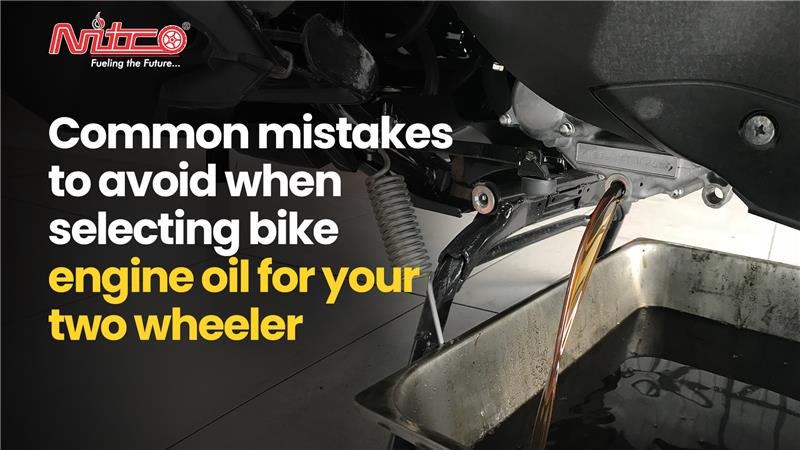
Every time you start your motorcycle, the engine components begin moving at high speed under heat and pressure. In those moments, bike engine oil becomes the protective layer that prevents metal parts from rubbing directly against each other. The quality of the two wheeler engine oil you choose directly affects engine smoothness, temperature control, mileage, and long-term durability.
Yet, many riders select oil based only on price or brand familiarity. Choosing the best engine oil requires attention to specifications, riding habits, and manufacturer reliability. A few small mistakes can gradually reduce performance and increase wear. Below are the most common errors riders make and how you can avoid them.
Mistake 1 – Selecting Bike Oil Based Only on Price
Comparing prices is natural. But selecting bike oil only because it is cheaper may lead to higher maintenance costs later. Lower-quality oil may contain weaker additive packages, which can result in:
- Faster oxidation
- Reduced heat resistance
- Increased engine wear
- Shorter drain intervals
Instead of focusing only on cost, compare performance ratings and manufacturer credibility. Buying from a trusted best lubricant oil company ensures better consistency and quality control.
What you should do:
- Follow the specification mentioned in your owner’s manual.
- Choose certified two wheeler engine oil.
- Buy from authorised distributors only.
Mistake 2 – Ignoring the Viscosity Grade
Viscosity determines how oil flows at different temperatures. Using the wrong grade can affect lubrication efficiency.
- If oil is too thick, circulation during cold starts becomes slower.
- If oil is too thin, protection at high temperatures may reduce.
Manufacturers recommend grades such as 10W-30, 20W-40, or 20W-50 for a reason. These grades are tested to suit specific engine designs and climate conditions.
Avoid this by:
- Strictly following the OEM-recommended viscosity.
- Avoiding changes unless advised by technical experts.
Mistake 3 – Using Car Oil in a Motorcycle
Motorcycles often use a wet clutch system, where engine oil also lubricates clutch plates. Car oils may contain friction modifiers that are not suitable for motorcycle clutches and may cause slipping.
A proper two wheeler engine oil is formulated to support both engine and clutch performance.
Your solution:
- Always use motorcycle-specific bike engine oil.
- Check packaging for appropriate certifications.
Mistake 4 – Delaying Oil Changes
Even the best engine oil has a limited service life. Over time, oil collects dirt, fuel residues, and metal particles. Its protective qualities reduce gradually.
Consequences of delayed oil change:
- Higher engine noise
- Rising operating temperature
- Sludge formation
- Lower fuel efficiency
Best practice:
- Follow the recommended oil change interval.
- Shorten the interval if riding mostly in traffic or extreme heat.
Mistake 5 – Mixing Different Oils Without Clarity
Mixing different brands or grades of bike engine oil can disturb the chemical balance of additives. This may affect deposit control and wear protection.
Safer approach:
- Use one consistent two wheeler engine oil product.
- If emergency top-up is required, plan a complete oil change soon after.
Mistake 6 – Ignoring Manufacturer Reputation
The credibility of the oil manufacturer plays a major role in product consistency. A reliable best lubricant oil company invests in:
- High-quality base oils
- Advanced additive technology
- Laboratory testing equipment
- Batch-level quality checks
Choosing a manufacturer with proven experience reduces the risk of inconsistent lubrication performance.
Mistake 7 – Buying from Unverified Sellers
Counterfeit oils can damage engines because they may not meet viscosity or performance standards.
Protect yourself by:
- Purchasing from authorised distributors.
- Checking seals and packaging quality.
- Keeping invoices for records.
Using genuine two wheeler engine oil ensures your engine receives the protection it is designed for.
Mistake 8 – Assuming All Bikes Need the Same Oil
A commuter motorcycle, a high-performance bike, and a scooter have different lubrication needs. Engine design, clutch type, and riding conditions all influence oil requirements.
Always consider:
- Engine capacity
- Riding pattern
- Weather conditions
- OEM recommendations
Choosing the right bike oil ensures proper friction control and temperature stability.
Practical Checklist Before Buying Bike Engine Oil
Before your next oil purchase, ask yourself:
- Does this bike engine oil match my owner’s manual specification?
- Is it suitable for my riding conditions?
- Am I purchasing genuine two wheeler engine oil?
- Is the manufacturer reputable?
- Am I following correct oil change intervals?
If the answer is yes to all, your engine is in safer hands.
The Final Note
Your bike’s engine is a high-performance machine that relies on proper lubrication. Choosing the best motorcycle oil is not only the maintenance game but also an investment in your engine’s well-being! Steering clear of mistakes, such as neglecting viscosity, buying oil based solely on price and patronising unverified sellers, can significantly prolong engine life.
When you opt for superior quality two wheeler engine oil from a reputable best lubricant company, you protect both performance and efficiency as well as peace of mind.
If you are due for your next oil change, check out the NITCO Lubricants line and get in touch with an authorised distributor near you.
FAQs
Q1. How to choose the best engine oil for a bike?
A: To choose the best engine oil, always refer to your owner’s manual for viscosity and API specification. Select certified bike oil from a trusted best lubricant oil company that produces quality two wheeler engine oil suitable for Indian road conditions.
Q2. Which is better, 20W-40 or 20W-50?
A: The choice between 20W-40 and 20W-50 bike engine oil depends on engine design and climate. 20W-50 is thicker at higher temperatures and suits hotter regions, while 20W-40 offers balanced flow in moderate conditions. Always follow your recommended two wheeler engine oil grade.
Q3. Which is better, API SN or SL?
A: API SN is a newer specification compared to API SL. API SN bike oil generally provides improved oxidation control, deposit resistance, and wear protection. Selecting updated categories helps ensure you are using the best engine oil for long-term engine health.
Q4. Is thicker oil better for a motorcycle?
A: Thicker bike engine oil is not automatically better. While thicker oil may offer strong film strength at high temperature, it can reduce efficiency if your engine requires a lighter grade. The ideal two wheeler engine oil matches your manufacturer’s specification.
Q5. Can I switch between different brands of bike engine oil?
A: Switching brands of bike oil is possible if viscosity and specifications match. However, frequent switching between different two wheeler engine oil products is not recommended. Staying with one reliable best lubricant oil company ensures consistent lubrication performance.
Q6. How often should two wheeler engine oil be changed?
A: Change your two wheeler engine oil according to your manufacturer’s service schedule. If riding in heavy traffic or high heat, earlier replacement of bike oil may help maintain lubrication quality and engine protection.
Q7. Is synthetic oil better for bikes?
A: Synthetic bike oil generally offers better thermal stability and oxidation resistance. However, the best engine oil depends on your engine type and manufacturer guidance. Always use synthetic two wheeler engine oil only if approved by your OEM.
Q8. Can wrong oil damage the clutch?
A: Yes, using unsuitable bike engine oil, especially car oil in wet clutch motorcycles, can cause clutch slipping. Always select motorcycle-specific two wheeler engine oil from a trusted best lubricant oil company.
Q9. How do I identify genuine bike engine oil?
A: To identify genuine bike oil, buy only from authorised sellers. Check tamper-proof seals, packaging quality, and batch details. Choosing products from a reputed best lubricant oil company reduces the risk of counterfeit two wheeler engine oil entering your engine.